
A practical guide to boating in Mexico
Clear starting points for buying, selling, transporting, storing, and managing a boat in Los Cabos and La Paz—with professional verification where your circumstances require it.
Start with the fundamentals
Buying a boat in Mexico
Begin with how you intend to use the vessel: day cruising, fishing, overnight trips, entertaining, or longer passages. That answer influences size, layout, range, crew needs, marina requirements, insurance, and ongoing maintenance.
Define the brief
Set a realistic purchase and ownership budget, preferred size, guest needs, home base, and intended use.
Investigate the vessel
Review specifications, maintenance history, equipment, photographs, and available records. Ask what has been repaired, replaced, or upgraded.
Verify independently
Arrange appropriate professional inspections, a marine survey, and a sea trial. Confirm ownership and documentation rather than relying on a listing description.
Document the transaction
Use clear written terms and qualified legal, tax, registration, and maritime professionals for the circumstances of the purchase.
Questions worth asking before purchase
- Who owns the vessel, and can the seller document the chain of ownership?
- Where has the boat been kept, and what maintenance records are available?
- When were the engines, generator, batteries, through-hulls, safety equipment, and electronics last serviced or replaced?
- Are there known defects, insurance claims, grounding incidents, or major repairs?
- What exactly is included in the sale?
- Can you arrange an independent survey, mechanical inspection, and sea trial?
Selling a boat in Mexico
Prepare an accurate picture of the vessel before marketing it. Assemble ownership and registration documents, service records, equipment lists, current specifications, and clear photographs taken in good light. Disclose known issues and avoid overstating condition.
A clean, accessible vessel makes viewings easier. Pricing should be discussed in the context of condition, equipment, location, comparable vessels, and your timing—not a generic formula.
Ownership, registration & professional checks
Documentation requirements depend on the vessel, owner, flag, tax status, location, and intended use. A purchase may also raise customs, import, registration, or tax questions in more than one jurisdiction.
Transporting a boat to Los Cabos
Vessels may arrive under their own power, by yacht transport ship, or by road where feasible. Departure points such as San Diego or Miami involve very different routes, preparation, scheduling, and risk considerations.
Quotes depend on length, weight, beam, height, transport method, departure and destination, permits, insurance, marina handling, preparation, and timing. Obtain a written, vessel-specific quote that states inclusions and exclusions; there is no responsible universal transport price.
Marina slips & storage
Slip availability and rules vary by marina and season. A marina will normally need the vessel’s overall length, beam, draft, power requirements, insurance details, and intended stay. Confirm pricing, deposits, utilities, access, security, hurricane procedures, maintenance permissions, and guest policies directly.
We can help investigate suitable options or connect you with providers, but a slip is only available when the marina confirms it for your vessel and dates.
Boat & charter management
Owners who are away for part of the year may benefit from professional oversight, routine checks, cleaning, maintenance coordination, and vendor supervision. The scope should be written and provider-specific.
Charter placement is a separate operational decision. Suitability depends on the vessel, condition, location, local rules, insurance, safety equipment, maintenance, operating costs, management arrangement, and how often you want to use the boat yourself. No income, occupancy, or return should be assumed.
Cabo, San Jose del Cabo & La Paz
Cabo San Lucas
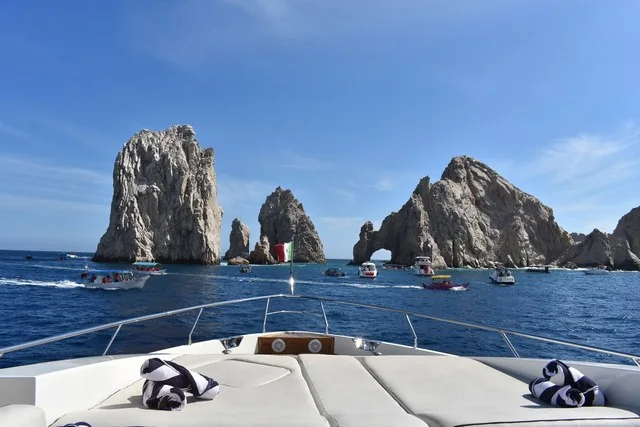
Close to Land's End and Pacific-side cruising, with a busy charter and marina environment. Evaluate marina logistics, seasonal demand, and your intended cruising grounds.
San Jose del Cabo
An alternative base along the corridor. Compare berth availability, access to services, travel convenience, and the distances to the places you plan to visit.
La Paz
A gateway to Sea of Cortez anchorages and islands, with a different boating rhythm from Cabo. Consider summer heat, seasonal weather, provisioning, vessel protection, and access to technicians.
La Paz deserves attention from owners who value Sea of Cortez cruising, but the right base remains vessel- and owner-specific. Investigate current marina options and local operating conditions rather than assuming year-round availability or costs.